
Business Details
Aikido Martial Arts in Downtown Toronto
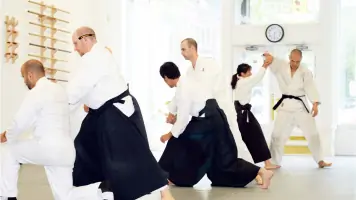
Aikido Tendokai is a martial arts dojo dedicated to teaching Aikido, a Japanese discipline emphasizing harmony, respect, and physical development. Founded in 1948 by Yumi Nakamura Sensei, our dojo fosters a supportive community for students of all ages and backgrounds. Our certified black-belt instructors prioritize safety, discipline, and inclusivity, offering structured programs for children and adults. The kids' after-school program focuses on foundational techniques, balance, and cooperation, while adult classes emphasize fitness, self-defense, and spiritual growth. We incorporate traditional Japanese etiquette, including bowing and language, to deepen cultural understanding.Our weapons training enhances technical proficiency, teaching the use of bokken, jo staff, and tanto. With over 75 years of collective experience, our instructors guide students through progressive testing and belt rankings. We host seminars, community events, and flexible class schedules to accommodate diverse needs. Our facility in Cabbagetown, Toronto, provides a welcoming space for physical and personal growth. We prioritize transparency in fees, clear communication, and a commitment to student well-being. By blending tradition with modern accessibility, we aim to make Aikido a lifelong practice for all who join us.
Services
Kids Martial Arts Classes
Adult Beginners Program
Weapons Training
Belt Testing Preparation
Community Seminars
Highlights and features
- Certified black-belt instructors with decades of experience in Aikido.
- Structured programs for children and adults, emphasizing safety and inclusivity.
- Progressive testing and belt-ranking system to track student development.
- Weapons training to enhance technical understanding of Aikido principles.
- Community-focused environment with seminars, events, and flexible scheduling.
Associations and certifications
- World Wide Aikido Headquarters (Hombu Dojo)
Services
Kids Martial Arts Classes
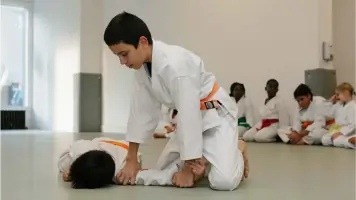
Our kids' program teaches Aikido fundamentals through safe, engaging practices tailored to ages 612. Students learn balance, discipline, and cooperation via rolling, falling, and partner exercises. The curriculum fosters confidence and respect while adapting to individual maturity levels.
Adult Beginners Program
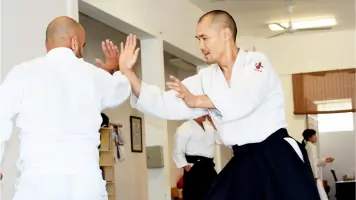
Newcomers explore Aikido basics, including strikes, holds, and breath control. Classes focus on fitness, self-defense, and understanding movement dynamics. Instructors guide students through progressive techniques, emphasizing safety and community integration.
Weapons Training
Weapons classes enhance technical precision using bokken, jo staff, and tanto. Training develops timing, distance awareness, and sensitivity to movement. Students apply principles to empty-hand techniques, deepening their martial arts proficiency.
Belt Testing Preparation
Students progress through belt ranks via structured testing. Criteria include class attendance, technical mastery, and demonstrated readiness. Certificates and belts reward achievement, fostering motivation and personal growth.
Community Seminars
Annual seminars feature guest instructors and collaborative learning. Events strengthen community bonds, offer advanced techniques, and honor Aikido traditions. Open to members and visiting practitioners for shared growth.
People
Yumi Nakamura Sensei
Shihan Nanadan (7th-degree black belt)
Yumi Nakamura Sensei founded Aikido Tendokai in 1948, leading with decades of expertise. Her legacy emphasizes harmony, discipline, and community, shaping generations of students.
Robert Carroll Sensei
Shidoin Rokudan (6th-degree black belt)
Robert Carroll Sensei brings over 40 years of Aikido experience, mentoring students in technical precision and philosophical depth. He prioritizes accessible, inclusive instruction for all skill levels.
Questions
What age groups do your classes accommodate?
Kids classes are for ages 6–12. Adults of all ages and fitness levels are welcome in beginner and advanced programs.
Is prior martial arts experience required?
No prior experience is needed. Beginners receive foundational training to build skills progressively.
What should I wear for my first class?
Wear loose clothing covering knees and elbows. A gi can be purchased after your trial session.
Are there opportunities for advanced training?
Yes. Weapons classes, belt testing, and seminars support ongoing development for committed students.